Central Texas Landowner Learning Center

Practical, no-nonsense guides on clearing land, controlling cedar, budgeting a job, and keeping Central Texas property in shape — written by a landowner who does the work.

Free Landowner Guides

In-depth guides you can download and keep — straight talk, sourced, and written for Central Texas property owners in Coryell, Bell & Lampasas counties.

Complete Guide · 10 pages
Take Your Land Back

The Central Texas landowner's guide to clearing: which method fits which problem, how to prep your property so paid machine time is productive, and what actually happens to your ground in the years after you open it. Sourced — and honest where the research is mixed.

⬇ Download the Free Guide (PDF)
Common Central Texas land management questions

Common Land Management Questions

Straight answers to what Central Texas landowners actually ask — will mesquite or cedar grow back, is mulching better than a dozer, do you need a permit, what does it cost?

Read article →
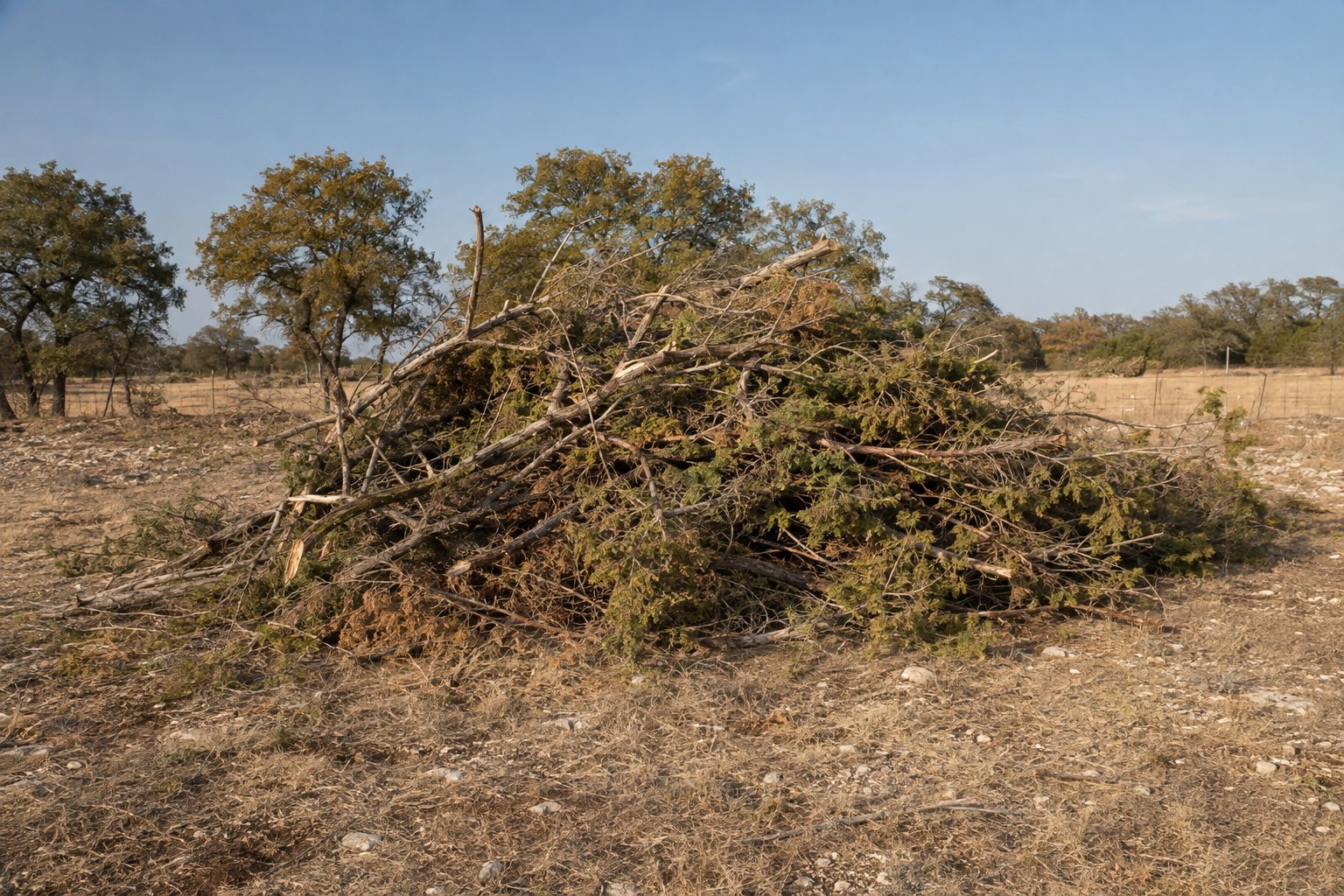
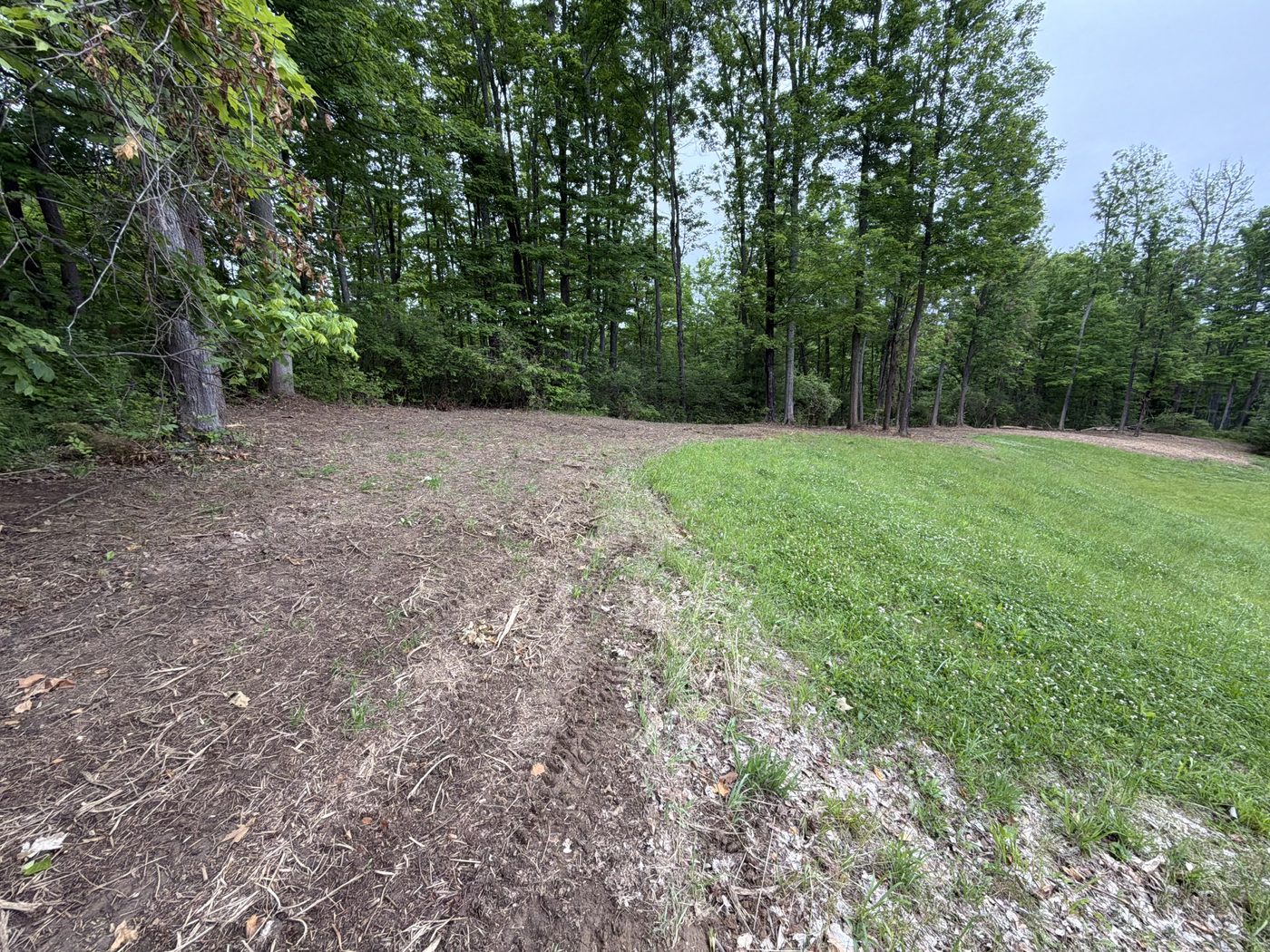
A large brush pile on dry Central Texas ranch land waiting to be burned

The Hidden Hazards of Burning Brush

Burning a brush pile out here isn't as simple as a match — burn bans, dry wind, embers that jump to your neighbor's land, and hours of babysitting a fire. Why mulching removes the pile and the risk.

Read article →
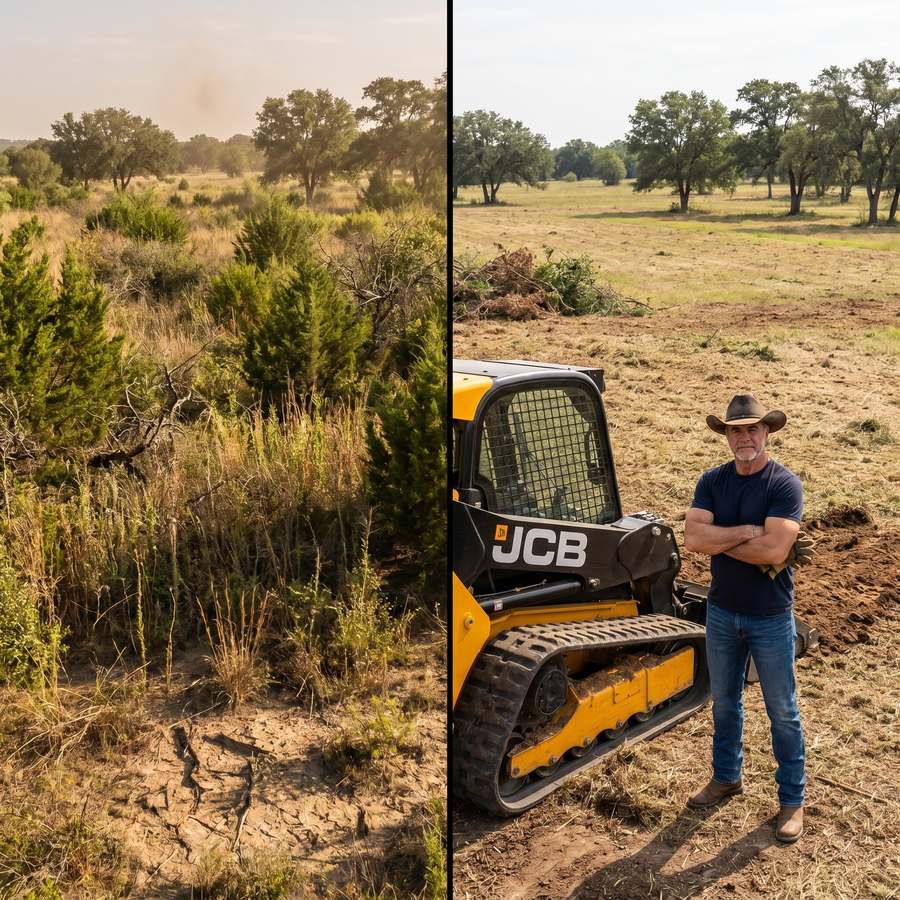
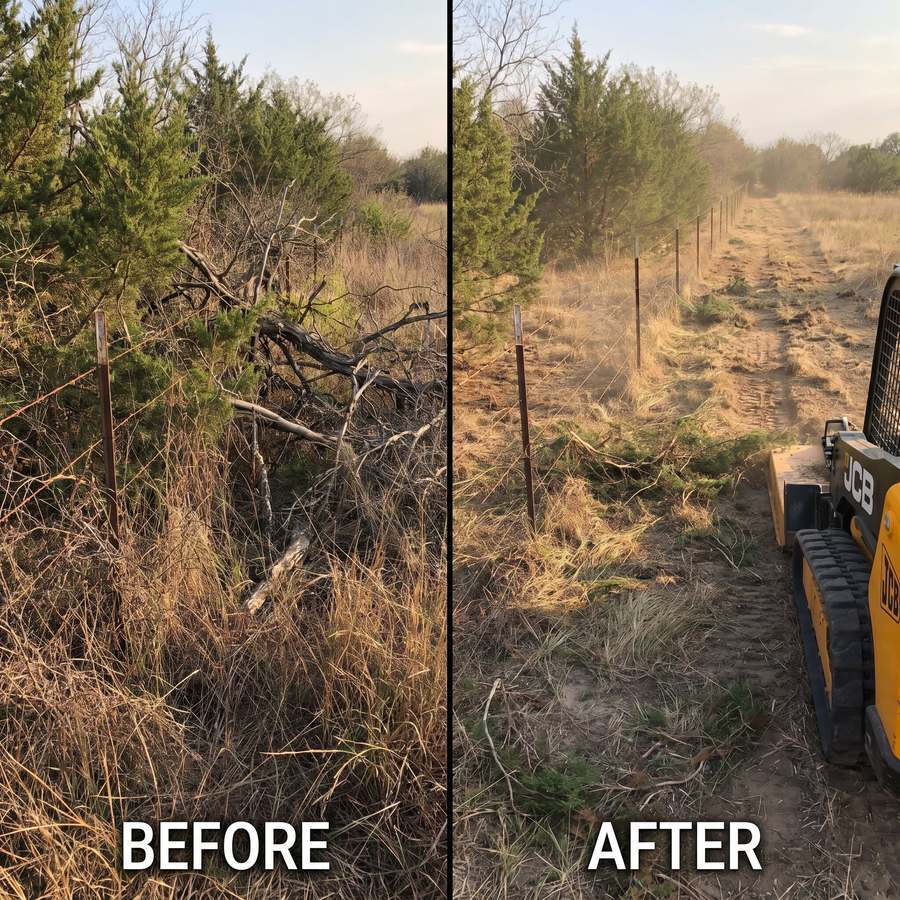
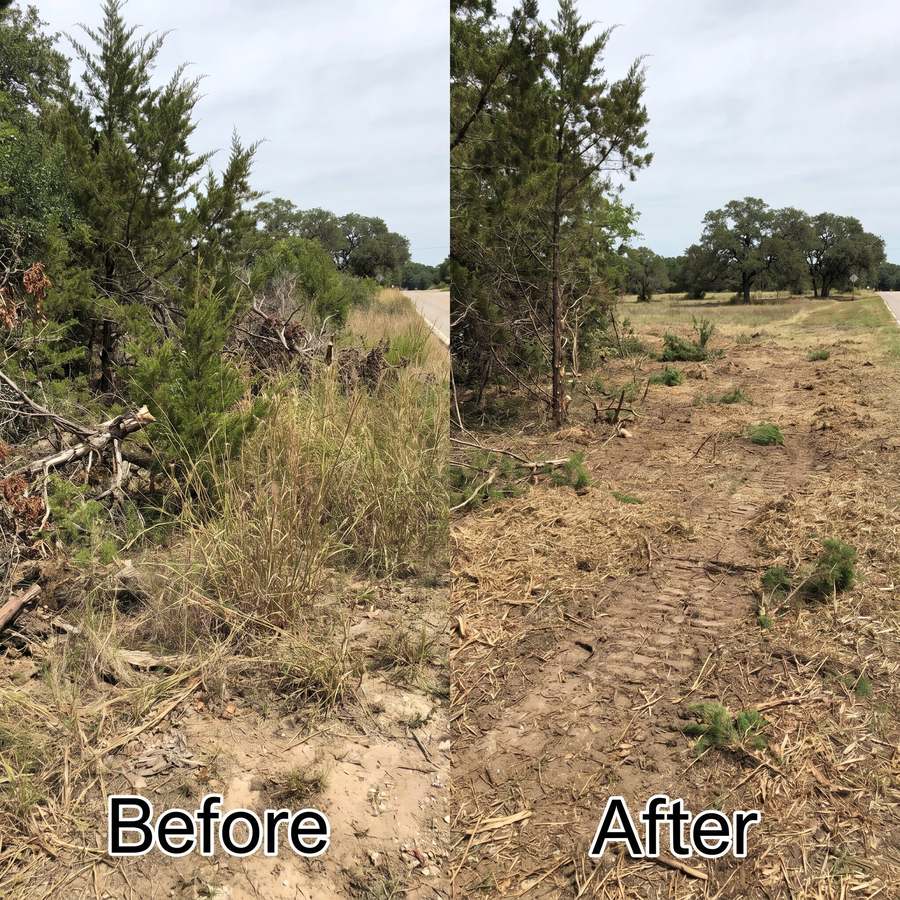
Ashe juniper cedar cleared from a Central Texas property edge

Cedar Removal in Central Texas

Cedar (Ashe juniper) removal in Central Texas is best done with forestry mulching — grinding the trees in place into mulch — and priced by density…

Read article →
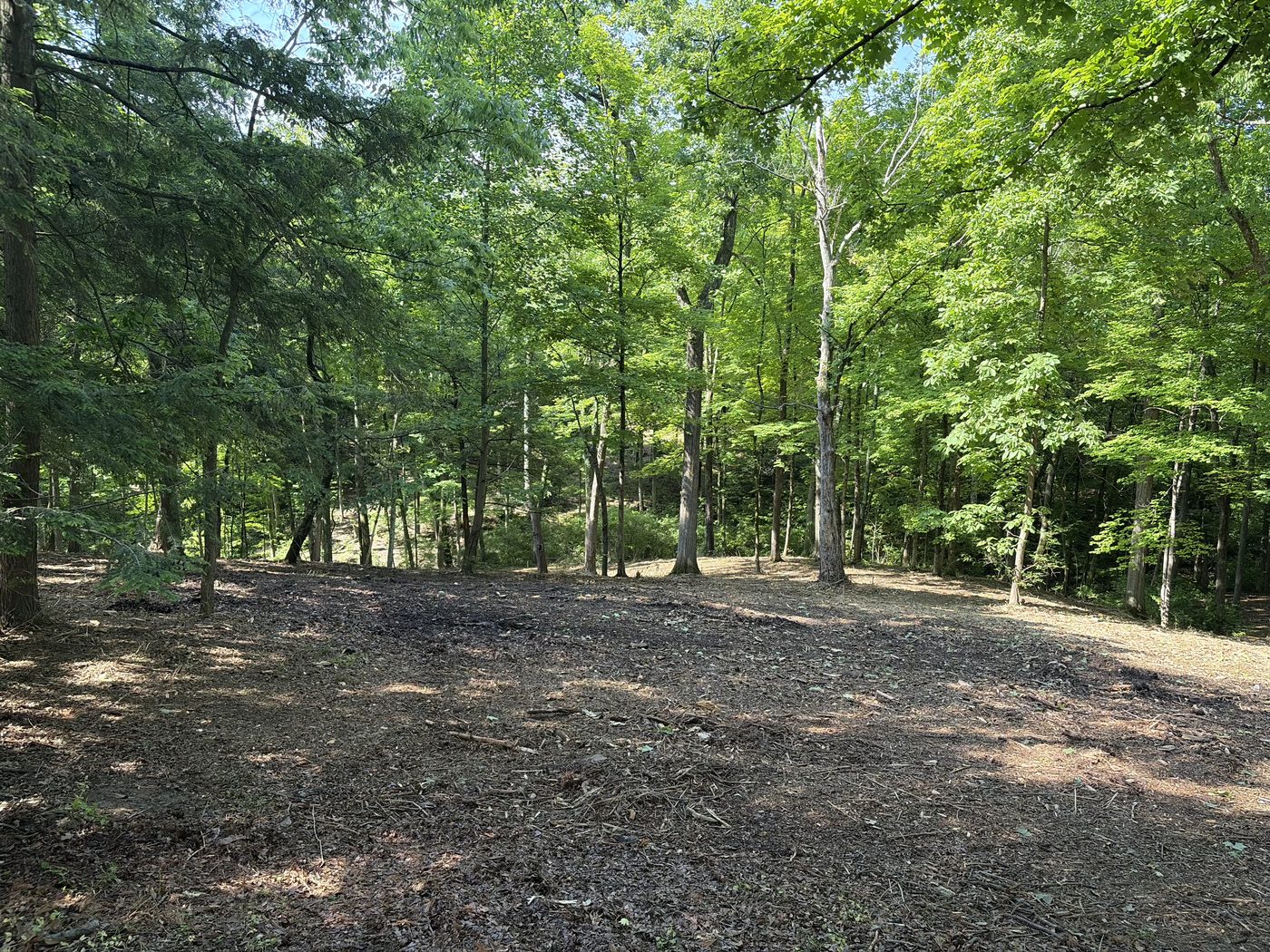
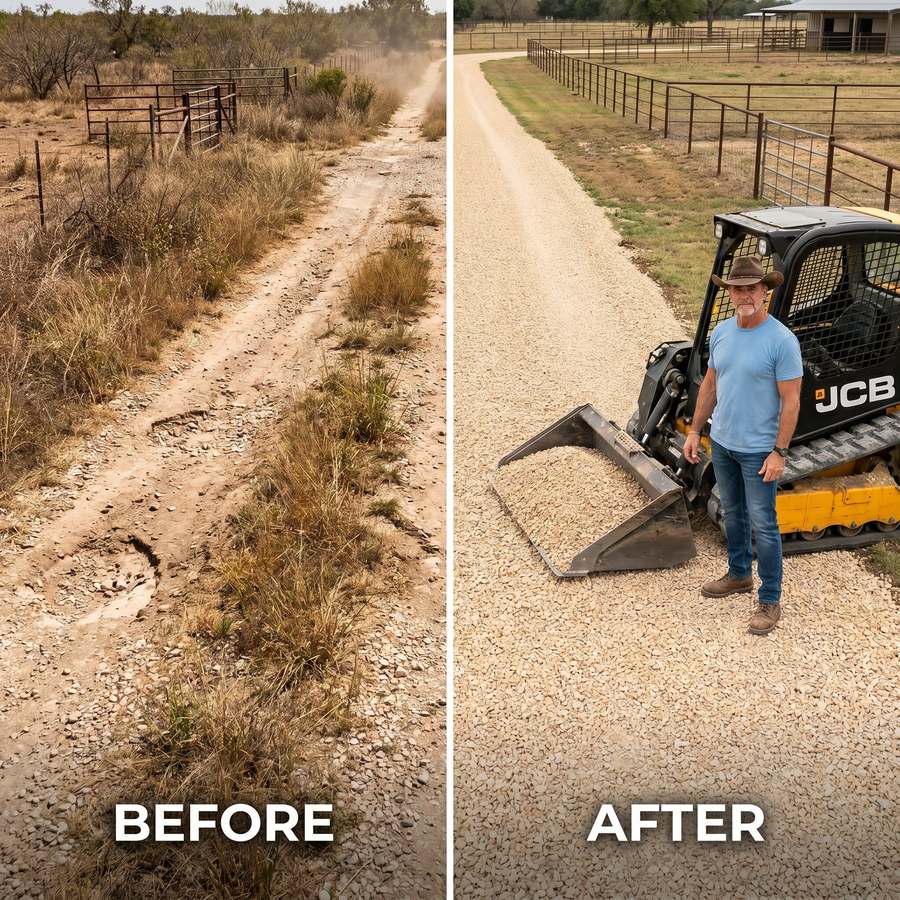
Cleared Central Texas ground after stump grinding

Stump Grinding vs. Stump Removal

Stump grinding shaves the stump down 4–8 inches below grade with a rotating carbide wheel and leaves the roots to decay in place — faster, cheaper,…

Read article →
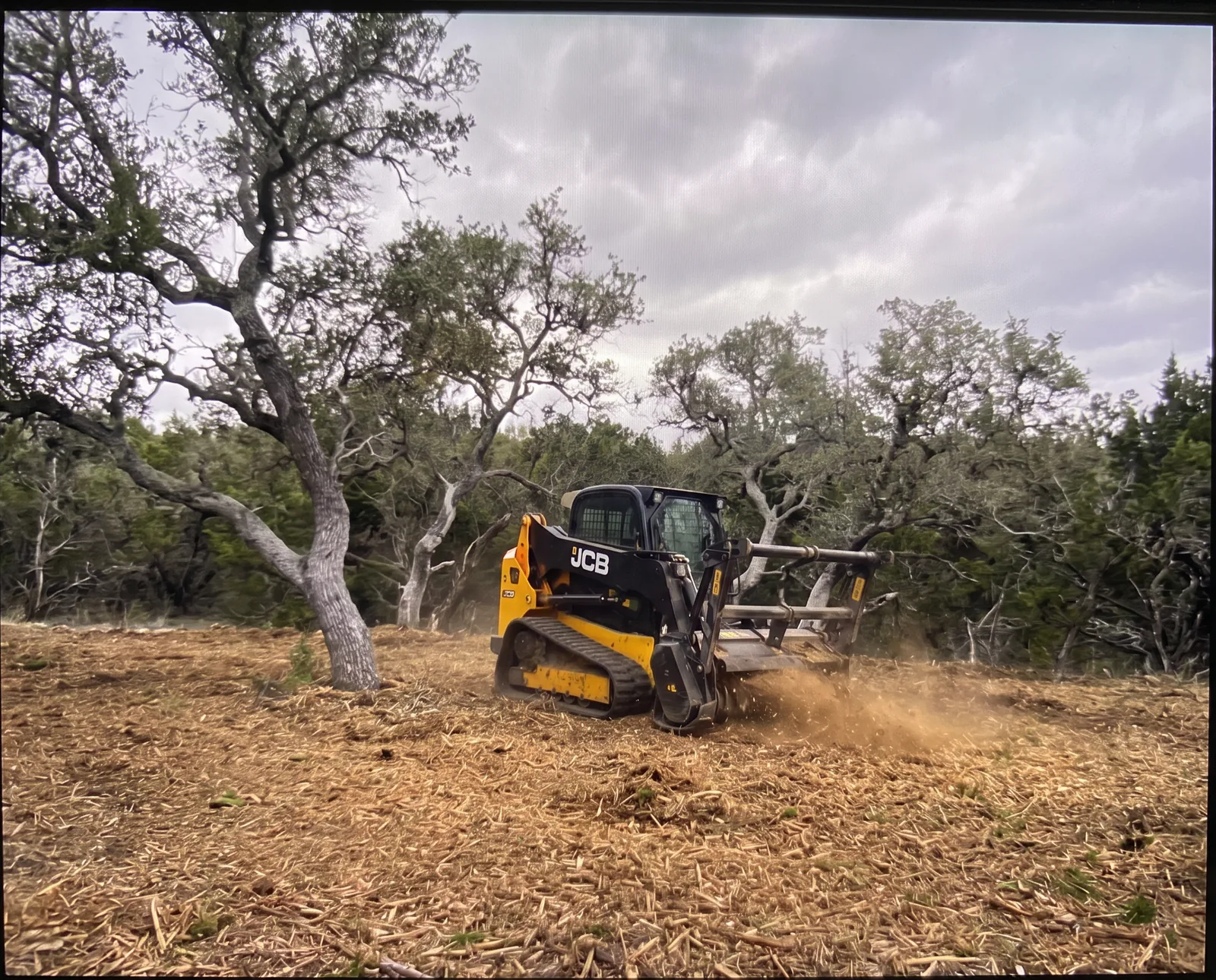
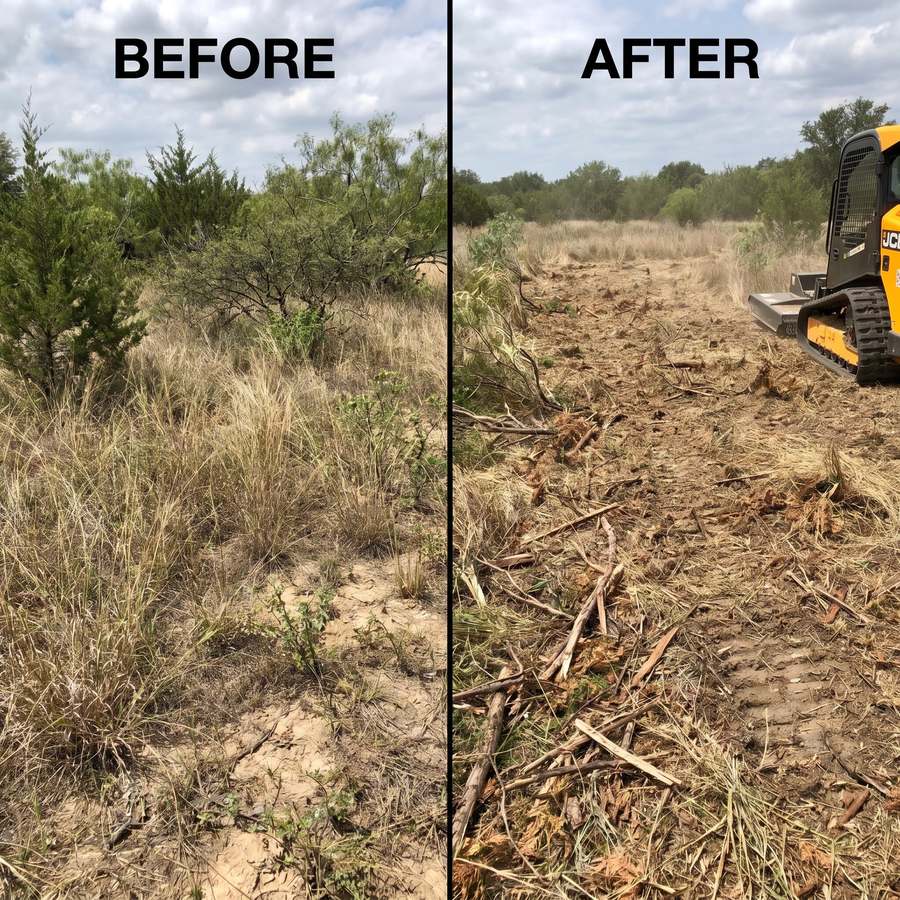
JCB forestry mulcher grinding cedar into a chip layer on Central Texas soil

What Forestry Mulching Does to Your Soil

Everyone watches what the mulcher removes. The real story is what it leaves behind — a chip layer that feeds the soil, holds moisture, and stops erosion, the opposite of dozing or burning.

Read article →