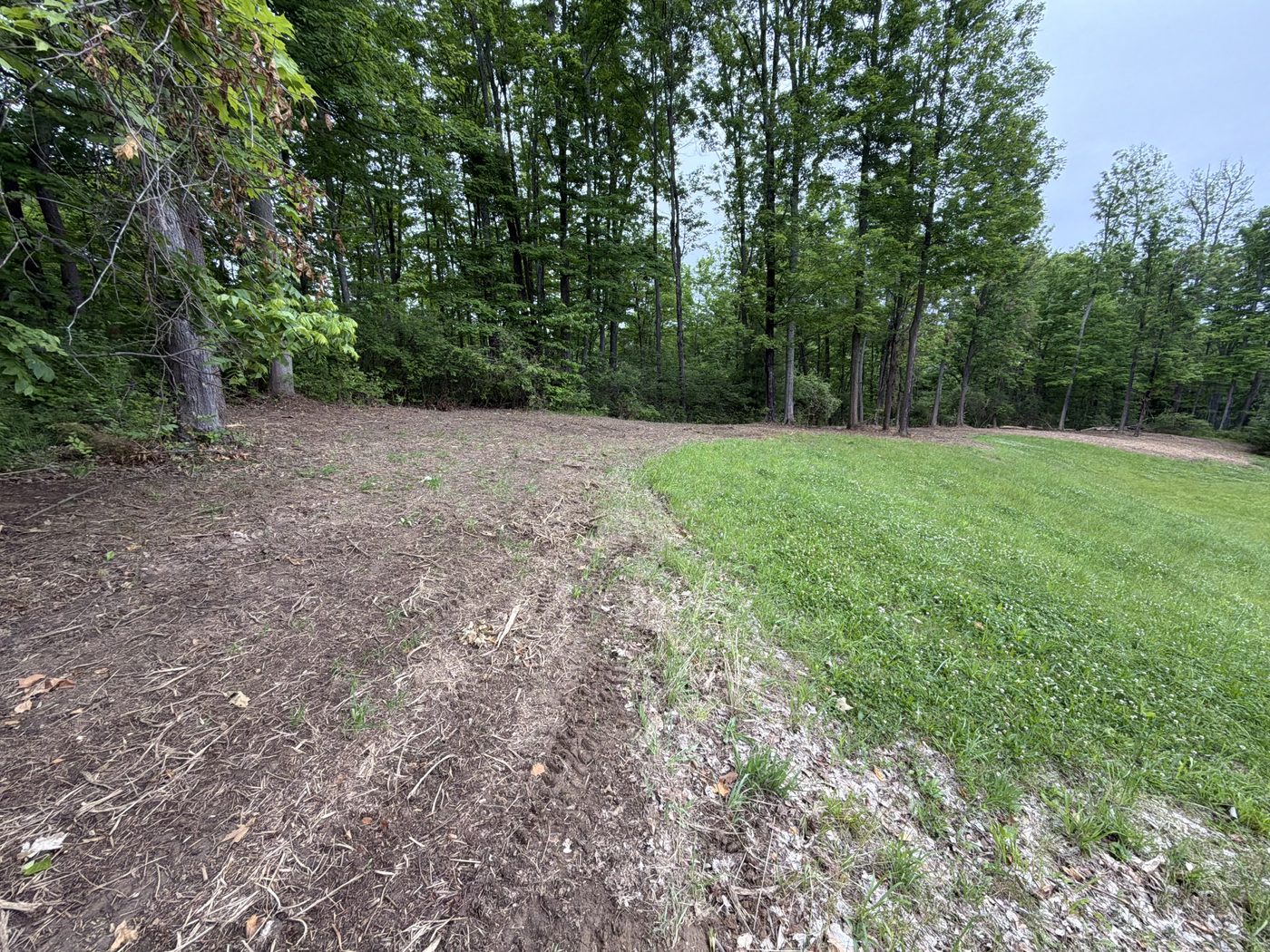
Cedar (Ashe juniper) removal in Central Texas is best done with forestry mulching — grinding the trees in place into mulch — and priced by density and tree size after a site visit. Mulching is usually more cost-effective than cutting and hauling, and it protects your soil. Plan on a follow-up, because cedar returns from seed, not from the stump.
Why Cedar Is Such a Problem Here
Ashe juniper — everyone calls it cedar — is the defining land problem of Central Texas. It spreads aggressively, shades out native grasses, and a mature tree pulls roughly 33 gallons of water a day while its canopy intercepts rainfall before it reaches the ground. It's also a serious wildfire fuel. Left alone, it turns productive rangeland into an impassable cedar brake.
How Cedar Gets Removed
There are three common approaches. Forestry mulching grinds the standing cedar into mulch right where it stands — one machine, one pass, nothing to haul. Cut-and-haul means felling trees and trucking them off, which adds labor and disposal cost. Dozing pushes everything into piles and tears up the soil. For most Central Texas properties, mulching wins on cost, speed, and soil health — it leaves a protective chip layer instead of bare, torn ground.
What Drives the Cost
Cedar removal is priced by how much work is in the field: the density of the stand, the size of the trees, the terrain (our caliche and slopes slow things down), and access. Scattered young cedar clears fast; a solid brake of mature trees takes many more passes. Every job is quoted as a whole after a site visit, with a minimum job price — there's no honest flat per-acre number until someone sees the stand.
The Regrowth Reality
Here's what a lot of contractors won't tell you: cedar comes back from seed in the soil, not from the ground-level stump. So the first clearing isn't the finish line — it's the reset. A realistic plan includes managing the seedlings that come up afterward, before they get established. We walk through exactly how in our guide to slowing cedar regrowth. Budgeting for that follow-up is the difference between a lasting result and paying to clear the same acres again in five years.
The Payoff Beyond a Clean Look
Removing dense cedar does more than open the land up. It can recover soil moisture and spring flow, reduce your wildfire fuel load, and give native grasses the light and water to come back for grazing or wildlife. It's one of the highest-return land improvements a Central Texas owner can make. See our cedar removal service or send photos of your worst stand for a ballpark.